5 reasons why Champagne is an eco-friendly wedding choice
Credit: CRTCA
Francoise Peretti, Director of the UK's Champagne Bureau shares some surprising insight into why couples should consider champagne if they're looking for an eco-friendly option and facts about the Champagne region, the world's leading wine region in sustainable initiatives...
When one thinks of Champagne, 'sustainability' may not be the first word to come to mind. With its reputation as being the pinnacle of luxury and its historical association with glamour – you'd be forgiven for not knowing about Champagne's squeaky clean resume, and the progressive and innovative initiatives that take place behind the scenes during its production. There can be no doubt that recent months have given us the time to reflect on the impact of our behaviours on the environment and now more than ever, I suspect couples will be looking for sustainable options to spoil their guests with on the big day. In fact, a recent study by Capgemini shows that 65% of consumers say they will be more mindful about the impact of their overall consumption in the "new normal", post lockdown. So if you're currently thinking about your wine list and looking to make eco-friendly choices for your wedding (but don't want to compromise on quality or glamour!), here are five reasons why you should make champagne your tipple of choice.
Credit: Phovoir
1. Champagne was the first ever wine region to assess its carbon footprint back in 2002, meaning it has had an effective sustainable development plan for the longest. They identified four key areas to work on: controlling what's put into the land its potential impact on health and the environment; the preservation and enhancement of the terroir, biodiversity and landscapes; accountable management of water, wastewater, by-products and waste; and finally the need to address climate change.
2. Since then, it has reduced the carbon footprint of each champagne bottle of by -20% and is aiming for -75% by 2050. The Champagne region lightened each bottle to limit the impact of packaging and transport-related co2 emissions, reducing the weight of the glass by 7% while making sure they were still safe to control the amount of pressure caused by the bubbles. Did you know that the pressure inside a Champagne bottle is the same as inside a double-decker bus tyre?
3. The region has reduced phytosanitary products and nitrogen fertilizers by -50%, and is aiming for zero herbicides by 2025. Knowing the importance of preserving the soil and fragile biodiversity of the terroir, wine-growers have reduced the use of phytosanitary products by more than half to protect this unique environment and the flora and fauna. This means you can enjoy each sip with a clear conscience.
4. Today, 90 % of Champagne's industrial waste is sorted and processed for reuse, aiming for 100 per cent recovery in the near future. Recycling is imperative to the future of our planet and Champagne is striving towards being a circular economy where nothing is wasted. There is 120,000 tonnes of vine wood produced per year from pruning and other activities – 80% of this is ground up and used to enrich the soil as a natural fertilizer.
5. Champagne is inventing hybrid grapes - the varieties of the future – as they prepare for climate change. Over the past 30 years, the temperature in Champagne has risen by 1.1 degree centigrade – causing grapes to ripen earlier, be more alcoholic and lose acidity (that's the 'freshness' in champagne). In order to protect the taste of our wine, they are breeding new types of grapes by crossing varieties, to ensure Champagne still retains its iconic taste and qualities. This means that in 20 years' time when you are celebrating your anniversary, you'll still be able to get a bottle that tastes the same as it did on your wedding day.
New app launches to simplify one of marriage’s biggest admin headaches
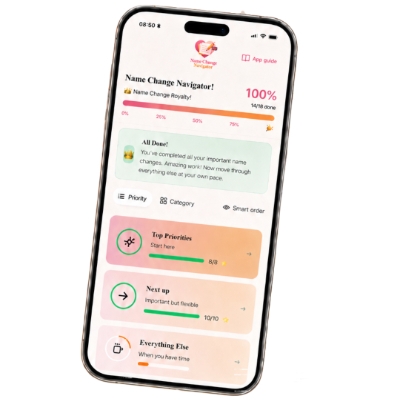
Changing your name after marriage can mean updating details with countless organisations, from banks and subscriptions to official documents and employers. New app Name Change Navigator aims to make the process easier, guiding newlyweds through each step from one platform. Founded by Rebecca Dainton, Head of Product at Flutter UK & Ireland, the app was created to reduce the stress and mental load associated with name changes. It supports a range of naming journeys, including traditional surname changes, double-barrelling, blended surnames and other choices following marriage, civil partnership, divorce or personal identity changes. The launch comes as younger generations increasingly rethink traditional naming conventions, with technology offering a more streamlined approach to this often-overlooked part of newlywed life.
READ ARTICLE
Enjoy Oystermouth Castle Outdoor Theatre This August 25th - 27th
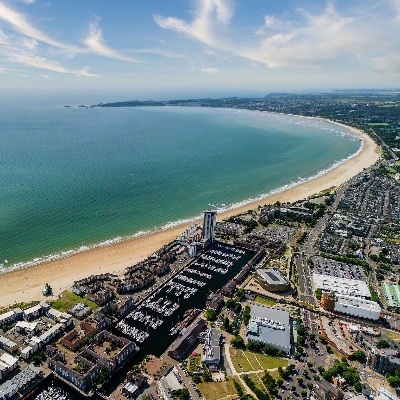
As the sun sets over Swansea Bay, the grounds of Oystermouth Castle will become one of the region's most atmospheric performance venues this month. Outdoor Theatre returns each summer with a programme of open-air productions staged against the backdrop of the 12th-century castle, where audiences can enjoy literary classics beneath the evening sky. This year, the line-up includes Shakespeare's As You Like It, Gilbert and Sullivan's Pirates of Penzance and family-favourite 'Pinocchio'. Visitors are encouraged to bring a picnic, settle into the historic surroundings and enjoy a relaxed night of entertainment with panoramic views stretching across Swansea Bay and Mumbles. With every Outdoor Theatre ticket purchased, visitors can enjoy half price entry to Oystermouth Castle from 25th until the 27th August.
READ ARTICLE
From best mates to distant relatives: Brits reveal the wedding gift hierarchy
How much should you spend on a wedding gift? It seems the answer depends on just how well you know the happy couple. New research from One4all Gift Cards has revealed that almost half of Brits (49%) would spend less on a wedding gift if they were not particularly close to the couple. The relationship came out ahead of travel and accommodation costs (38%) and paying for a hen or stag do (28%) when it comes to factors influencing how much guests are prepared to spend. For those closest to them, Brits consider an average of £77 per person to be an acceptable wedding gift. The most popular amount was between £50 and £100, selected by 43% of respondents, while 36% believe spending up to £50 is perfectly acceptable. Just 5% would spend more than £200.
READ ARTICLE
Revealed: England and Wales’ most common wedding anniversary date as August accounts for nearly one in six
1 September is the most common wedding anniversary date, with an average of 1,557 marriages taking place on the date, new analysis has revealed. The research, from drinks and gifting retailer Bottled and Boxed, analysed 22 years of marriage registration data from the Office for National Statistics to identify the dates when couples across England and Wales are most likely to be celebrating their wedding anniversaries each year. Every date in the top 10 falls between late July and early September, showing how heavily the most common anniversaries are concentrated in late summer. August is the most common month for wedding anniversaries, accounting for 15.7% of all marriages analysed, with an average of 1,254 couples married per day.