Five reasons why Champagne is the pinnacle of sparkling wine

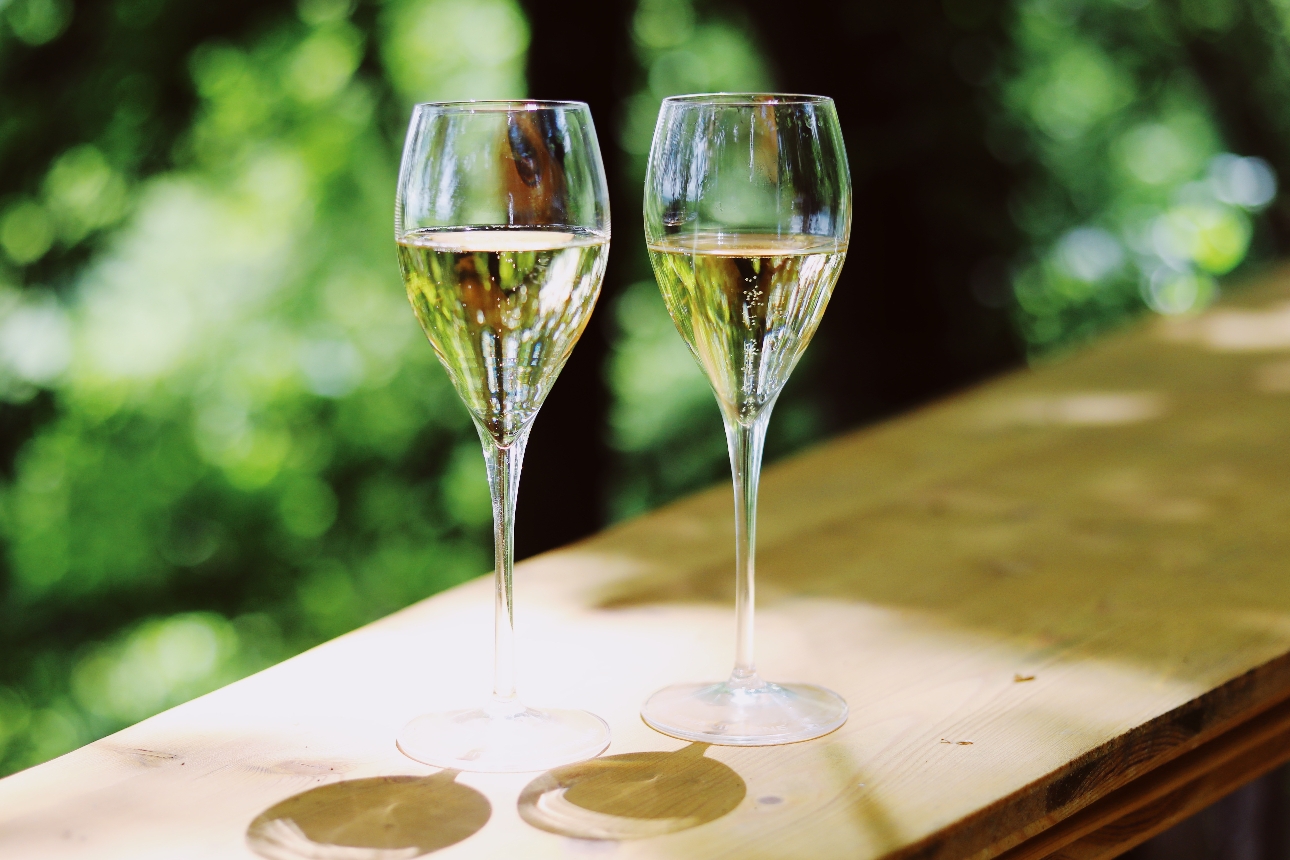
two glass of champagne on a wooden shelf

The Champagne Bureau UK* have rounded up five reasons why Champagne is the long-standing pinnacle of sparkling wine.

Firstly, Champagne only comes from Champagne. Champagne is a 100% French product - the Champagne region is located in France, approximately 90 miles east of Paris. It is a protected appellation (AOC).

From 816 to 1825, France's royalty was crowned in Champagne's Reims Cathedral, where Champagne was said to flow freely at all the coronation banquets. Soon, highly prized for their taste and finesse, it became customary to gift these wines to any royalty visiting the region. This is how the Champagne came to be known as the wine of coronation and known in France as "the wine of Kings and the King of wines".

The first reference to "Champagne Wines" appeared in 1690 - the years from 1670 to 1720 marked a turning point in the history of Champagne winemaking as this was when the production of sparkling wines became a deliberate choice in the region. Until this point - the effervescence (i.e., the bubbles) depended on external conditions. This marked the first time that a wine had been produced within a specific region and was identified by its name.

More recently, in July 2015 the Champagne Hillsides, Houses and Cellars were added to the UNESCO World Heritage list – having been recognised as symbolic places where Champagne wines were born and are still produced.

The Méthode Champenoise
In Champagne, the Méthode Champenoise is used - this method calls for two rounds of fermentation, one in a tank or barrel, the second in the bottle itself. Yeast is added and the bottles are left tipped, neck down, so when the second fermentation has finished - the dead yeast cells collect in the neck and disgorgement occurs. The Champagne is then resealed and left to age. For a non-vintage this is for a minimum of 15 months and a vintage must be aged for at least three years. This process is known as maturation on lees - the lees consist of yeasts that have multiplied in the bottle.

A wine rich in history
Up until the end of the 19th century - the Champagne wine-growing area was vast. Extending over more than 60,000 hectares however, in 1863, grape phylloxera reached Europe's shores. An insect which feeds on the roots of grapevines, drying them out and destroying them. Virtually the whole of the area under vine was decimate. In 1898, Growers along with the main Houses, worked together to protect their common heritage and founded the Champagne Viticultural Association (AVC). This set about replanting vineyards by grafting the Champagne vine shoot onto an American rootstock, which was resistant to the insect.

From 1814 – 1817, the First World War turned Champagne into a battlefield and many of its people suffered physical and financial hardship. The war threatened the continued existence of Champagne by endangering not only its sources, but also its markets. It is estimated that around 40% of Champagne's vineyards were destroyed during WW1. Champagne cellars were used as shelter - and to this day, graffiti can still be seen on some of the cellar walls.

During the Second World War, unlike during the First, the wine production area of Champagne stayed outside of the battle zone. The CIVC (Comité Interprofessionnel du vin de Champagne) was established in 1941. Winston Churchill famously said to motivate his troops, "Remember gentlemen, it's not just France we are fighting for, it's Champagne."

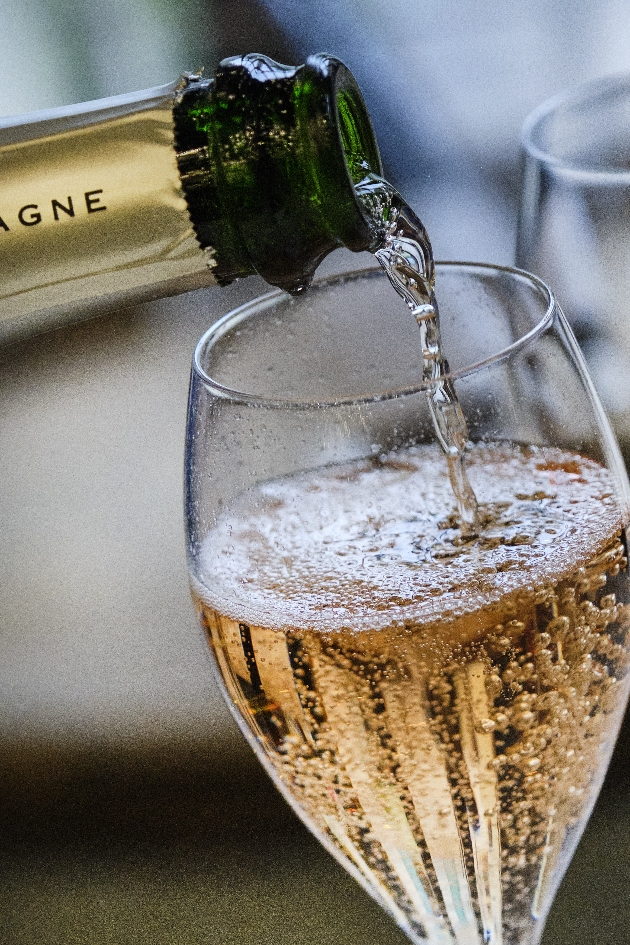
champagne being poured in to glass

THE choice for any celebration
Champagne is synonymous with celebration - be it an engagement, a milestone birthday or any special occasion. With 326 million bottles distributed, shipments rose by 1.6% in 2022 compared with the previous year – showing the dynamism of the global Champagne market. During Covid, 2021 saw a huge rise in Champagne sales, insinuating the return of a certain "Joie de Vivre".

The tradition of drinking Champagne to mark a celebration originated in the royal courts of Europe in the 18th century, where the drink was a social status symbol, associated with luxury and aristocracy. Over the years, the British Royal family has celebrated countless milestones with Champagne. When Queen Victoria's daughter, Princess Victoria, married Prince Frederick of Prussia in 1858, Champagne was served at the reception.

Synonymous with pop culture
Champagne has featured prominently in popular culture for many years – whether it is mentioned in music, or in famous quotes in many films and series, and also in fashion. One of the UK's most famous fictional spies, James Bond, is portrayed as a frequent drinker of Champagne – The secret agent has been counted enjoying a glass of Champagne more than 15 out of 25 times in his films. In his movies many Champagne pairings are highlighted as Bond relaxes with a glass of Champagne with buttered toast and eggs. The richness of eggs pairs perfectly with the lightness of Champagne.

For years Champagne has been adding a touch of luxury and glamour to the movies. The modern Cinderella story of 'Pretty Woman' is another iconic movie with an interesting reference to Champagne. One of the most memorable scenes was when Julia Roberts drank Champagne, and Richard Gere advised her to drink it with a strawberry to bring out the flavour of the Champagne. In fact, strawberries are often paired with Champagne, particularly Rosé Champagne, as the sweetness of the fresh strawberries complements the aromas around notes of freshness or complex wild berry fruit notes in the Rosé Champagne. Both have similar characteristics, being both fruity and crisp.

The list could go on - but Champagne's reputation has not only remained strong over the years, it has amplified globally. It is still a favourite drink amongst millions of people and often associated with special occasions, joyful moments, success and positivity. As Charles Dickens once said: "Champagne is one of the elegant extras in life."

You may also be interested in

Bye Bye Sweet Caroline: The Classic Anthems BANNED From UK Weddings

Bye Bye Sweet Caroline: The Classic Anthems BANNED From UK Weddings

The era of the predictable wedding singalong is officially dead, according to new data from entertainment agency Jonny Ross Music. New figures have revealed that Britain's couples are ruthlessly blacklisting the nation's favourite party anthems from their big days. A shocking analysis of playlist requests shows that legendary floor-fillers are being banished to the 'Do Not Play' list. Modern couples are ordering DJs to completely snub overplayed staples like 'Uptown Funk' and 'Mr Brightside'. But Brits are not turning their backs on the dancefloor. Instead of relying on default reception cheese, millennial newlyweds are demanding authentic club vibes that replicate a proper night out.

READ ARTICLE

Chepstow Racecourse hosting Family Fun Day this August Bank Holiday

Chepstow Racecourse hosting Family Fun Day this August Bank Holiday

The school summer holidays are here, and finding new ways to entertain your family without breaking the bank can be a challenge. But this bank holiday weekend on Monday 31st August, Chepstow Racecourse opens its gates once again to offer an absolutely incredible family day out, with its best-ever value offers. In addition to seven thrilling flat races in action on the course, visitors will be treated to free family entertainment designed to keep your little tribe busy. Whether watching the Paw Patrol Live Show, enjoying the meet and greet with their favourite Paw Patrol characters, dancing along to the K-POP Superstars or taking advantage of the unlimited fairground rides, one thing is for sure, children will certainly be well entertained!

READ ARTICLE

Swansea has been named one of the best food destinations in the UK

Swansea has been named one of the best food destinations in the UK

Swansea has been named the UK's fifth best food destination outside London, putting it ahead of Worcester, Newport, Wrexham, Perth and Brighton & Hove in a new city-break ranking. The Welsh city was placed inside the top five after analysis by travel specialists at Ski Vertigo which compared recent restaurant rankings, review data and current dining guide credentials across more than 60 UK cities. Birmingham took the overall crown, but Swansea's position gives the city a clear food-led break hook for travellers who want a cheaper and easier alternative to the capital. London dominates the UK for sheer restaurant volume and high-end dining, but the ranking looked beyond size alone, comparing the ratio of five-star rated food spots to total venues alongside wider guide recognition.

READ ARTICLE

The British Wedding Tradition Most Guests Never Question

The British Wedding Tradition Most Guests Never Question

Most wedding guests have heard the phrase "wedding breakfast", but very few stop to question it. After all, the meal is rarely served in the morning. It usually comes after the ceremony, often in the afternoon, and can involve anything from a formal three-course dinner to sharing boards, canapes, grazing tables and dessert stations. So why do we still call it a breakfast? According to Nick from Country House Weddings, the answer goes back centuries and is tied to religion, fasting and the way weddings were once celebrated in Britain. Breaking A Very Specific Fast The word "breakfast" does not originally mean a morning meal. It simply means breaking a fast.

READ ARTICLE

Follow Your South Wales Wedding Magazine on Instagram

VISIT SITE

Follow Your South Wales Wedding Magazine on Facebook

VISIT SITE

Follow Your South Wales Wedding Magazine on YouTube

VISIT SITE

Submit your wedding to be featured in Your South Wales Wedding Magazine

VISIT SITE