




7 Ways to Make Your Wedding Memories Part of Your Home
As weddings become increasingly personal, couples are moving away from cookie-cutter...

The UK Government has unveiled a new consultation to reform the wedding laws in England and Wales which is exploring how wedding ceremonies are conducted, particularly looking at wedding venues. The proposals are seeking to modernise the outdated legislation in this area which will eventually provide couples with greater freedom to decide where and how they will get married.

|
What are current wedding laws?
At present, when a couple gets married, they need to have their legal ceremony in a licensed building or a registered place of worship. The existing laws have a further requirement that couples must ensure the individual officiating their wedding ceremony is either an authorised religious minister or a civil registrar.
Quite often, this means that couples are required to have their ‘official’ wedding ceremony in a registry office or a registered place of worship, in addition to their separate ceremony in a venue of their choosing. This can mean couples have more administration than they’d like, and less freedom over where their legal ceremony takes place.
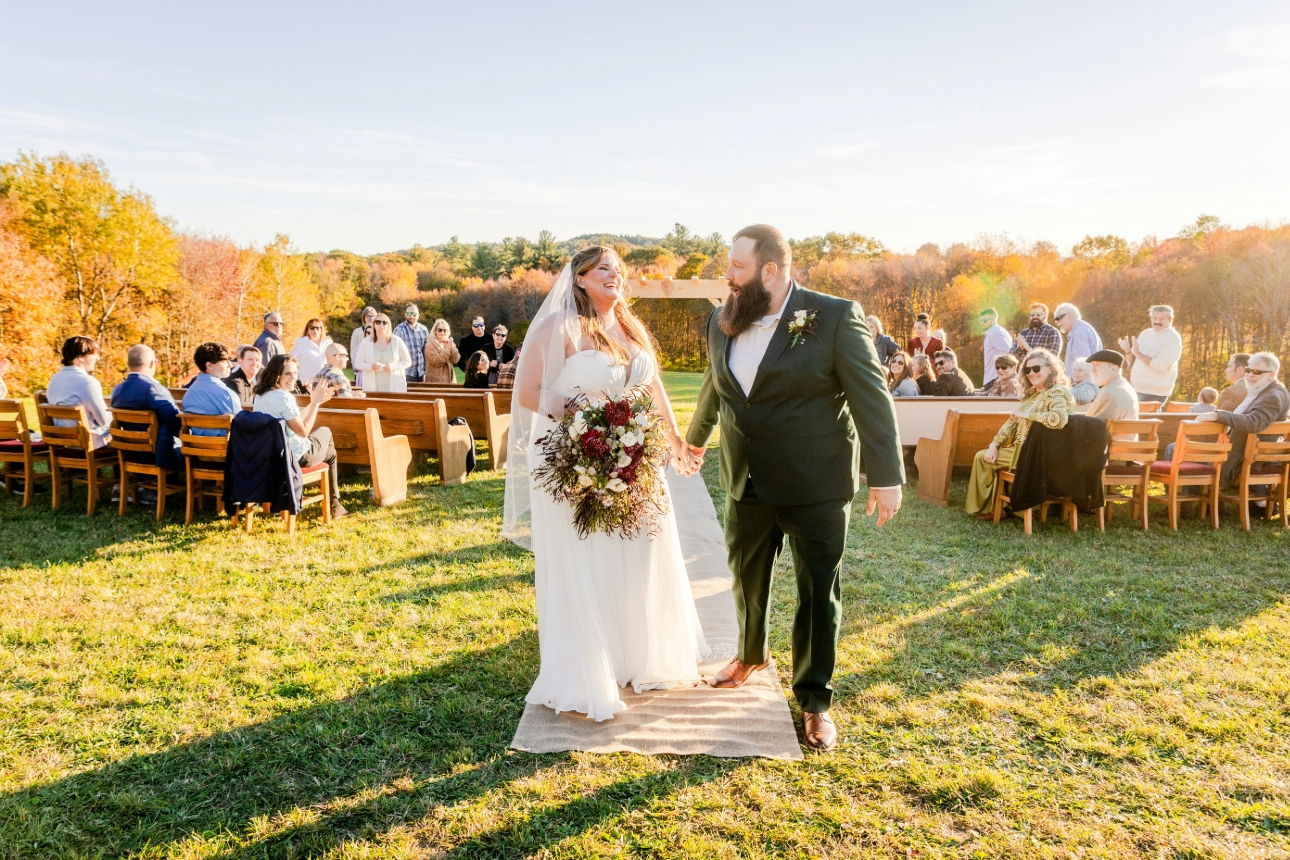
The proposals are aiming to give couples more flexibility to decide on the venue of their marriage and will mean that couples are able to broaden their choice of wedding venue. For example, many couples want to get married in outdoor ceremonies, or in a place particularly meaningful to them. Whilst these ceremonies can take place, they won’t be legally binding.
What does the consultation mean for couples planning their wedding imminently?
The consultation is still underway and closes on 24th September 2026, therefore, there is no change to the current laws until this has been completed.
For couples planning to get married within the very near future, the existing rules will remain in place until the Government has considered all responses to the consultation. Following their consideration of the responses, the Government will make a decision as to whether they will introduce new legislation to amend the existing laws in relation to wedding ceremonies.
What does it mean for the future of the wedding industry?
The existing laws surrounding wedding ceremonies may act as a deterrent to many couples who feel forced to celebrate their wedding in a venue that they would not ordinarily choose.
The proposed reforms will allow for greater flexibility in relation to venue choice, as the reforms would move away from a restricted and venue-based system. This would mean that you have the option to get married almost wherever you wish, provided you have a suitable officiant to conduct the wedding ceremony.
It is positive news that the Government is looking to make changes to this area of law and that there is finally some recognition that there should be greater flexibility and the ability for couples to freely choose their own wedding venue.
More importantly, however, the reforms are likely to create a fairer and more inclusive system and enhance safeguards against sham and underage marriages.
Top tips for couples to ensure a legally binding marriage
Until the consultation has completed and there has been any change to the current legislation, which could take several years, any wedding ceremonies you want to be legally binding will need to be compliant with the existing rules..
In summary, this means that all weddings will still need to be celebrated in a licensed building or registered place of worship until any new legislation has been introduced and these changes have been implemented.
Our top tips for planning your wedding ceremony to ensure it is compliant with the existing laws are:
1. Ensure sufficient notice is provided to your local registry office. You must provide them with at least 29 days notice;
2. Choose a legally recognised venue (a registry office, licensed venue or registered place of worship);
3. Choose and individual that you would like to officiate your wedding (which will be a registrar for civil ceremonies, or an authorised person for religious ceremonies);
4. Plan in advance which witnesses you would like to attend your ceremony; and
5. Ensure all necessary paperwork is completed both before and after your ceremony, including obtaining your marriage certificate.
Lastly, if you have any queries at all about whether a venue might meet the Government requirements, have an open and honest conversation with them to explain your situation and to address any questions at the outset. This should avoid any misunderstandings or issues arising later down the line.
Kirsty Dourado is an Associate at Stowe Family Law