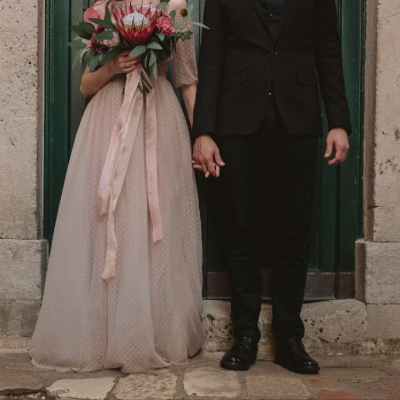
With official guidance looking to change in the not too distant future, giving celebrants more legal power to actually marry couples - removing the need for a pre- or post-blessing registry office date - here at County Wedding Magazine HQ we think this is a trend that will continue to soar. Neil Dutta at Angelic Diamonds, a UK wedding jewellery specialist, explores why humanist weddings have seen an increase in popularity in recent years...
There's more than one way to let your partner know how much you love them. For many, traditional weddings are the perfect way to express their feelings and begin the next chapter of their lives together. For others, this way of doing things just isn't the perfect fit. It is for this reason that we've seen a far greater variety of wedding ceremonies over recent years, including the prominent rise of the humanist wedding. Between 2004 and 2016, the number of humanist weddings ceremonies increased by 266 per cent. Meanwhile, there has been a distinct decrease in faith-based ceremonies, with the lowest number of religious ceremonies on record being reported in 2018. With this in mind, let's find out a bit more about humanist weddings, and why this trend is rocketing.
What is a humanist wedding? To understand what is meant by a humanist wedding, we need to know a little bit more about humanism itself. According to Humanists UK, the word "humanist" can apply to someone who:
Is agnostic or atheist and trusts the scientific understanding of the universe
Has concern for other human beings and animals and practises empathy
Does not believe in the afterlife or any other greater purpose of the universe. They believe that a fulfilling life can be created by seeking happiness and helping others find happiness too.
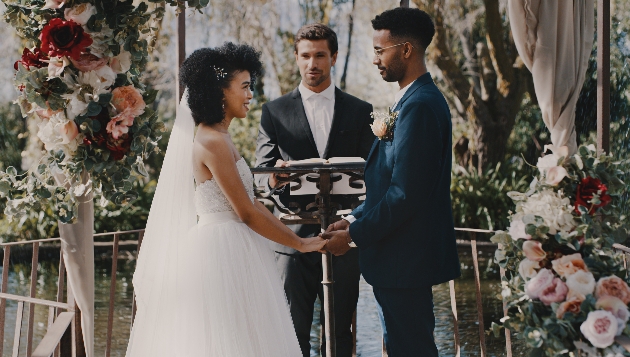
Essentially, humanism serves as an alternative to religion. Therefore, those who consider themselves humanists will not be interested in tying the knot in a traditional religious ceremony. Luckily, there's an alternative – humanist wedding ceremonies. According to Humanists UK, a humanist wedding is a non-religious ceremony conducted by a humanist celebrant. Unlike traditional religious ceremonies, there are no fixed rules to humanist weddings, which is one of the reasons they've become so appealing to so many couples.
One major downside to holding a humanist ceremony is that it might not be recognised by law. As marriage is a devolved issue in the UK, the legality of humanist weddings differs depending on where you live. In Scotland, Northern Ireland, Jersey, and Guernsey, humanist ceremonies are recognised by law. However, in England and Wales, these ceremonies are yet to be legally recognised. For humanists in England Wales, it is still possible to tie the knot in a humanist ceremony as long as you also hold a legal civil ceremony either before or after.
Why are they becoming so popular? There are plenty of reasons why humanist weddings are becoming more and more appealing. They are adaptable ceremonies that everyone can make their own, making them a tempting option for anyone who doesn't feel like a traditional wedding is a good fit. Here are some of the main reasons why their popularity is soaring.
Moving away from religion One key reason that we are seeing more and more humanist ceremonies is because of the UK's shift away from religion, especially Christianity. According to The Guardian, less than half of Britain's population were expected to declare themselves as Christian on the 2021 census, which would show a staggering decline from previous census results. With so many people moving away from Christianity, it's no surprise that religious marriage rates are falling. Despite this, many couples are still eager to get married – just maybe not in such a traditional way.
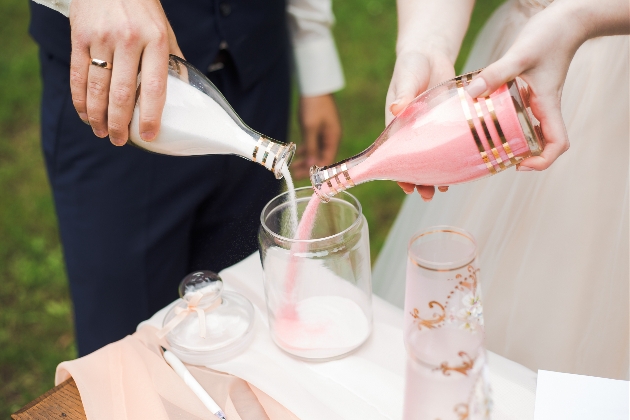
The personal touches Another reason why this wedding trend is continuing to grow is because of how personal humanist weddings can be. As there are no steadfast traditions laid out, couples can curate their own personal ceremony, choosing the elements they like from a traditional wedding and leaving other aspects out. For example, it's still customary to exchange wedding rings in a humanist wedding, whether you choose a simple wedding band or a diamond ring. However, you can also choose a way to exchange them that's perfect for you. One couple, Amy Hicks and Michaela Francis, spoke to The Guardian about their wedding plans and described a beautiful ring exchange. Francis said: "We want everyone gathered to pass our rings around, touch them, warm them, say words of love over them before they are passed back to us for that moment when we put them back on our fingers."
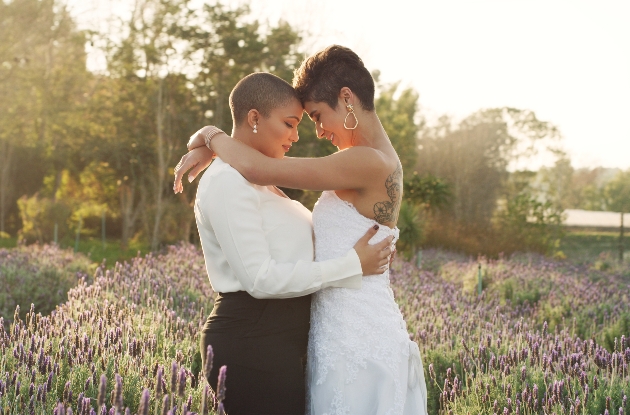
A ceremony for everyone Finally, many LGBTQ+ couples opt for humanist wedding ceremonies because of their inclusivity. For Hicks and Francis, this was a major factor. Francis explained that they chose this ceremony option "not only because we happen to be atheists but also because humanism recognises everyone as equal".
While religious ceremonies might still be the perfect option for many couples, humanist weddings certainly offer an enticing alternative. There are so many ways to make your wedding personal, and maybe opting for a humanist approach to this special day would be perfect for you and your partner!
Neil Dutta is the owner of UK wedding jewellery specialist, Angelic Diamonds.
The A/W 2026 wedding trends: softer tailoring, richer tones and seasonal florals
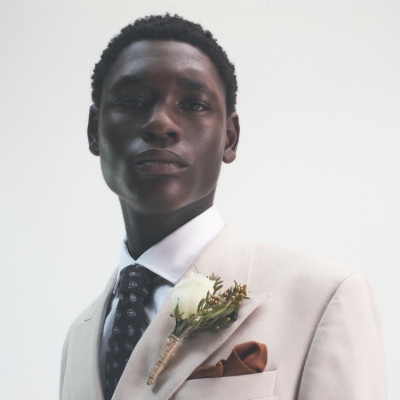
From chocolate and camel tailoring to dahlias and trailing amaranthus, autumn/winter weddings are embracing richer colours and softer styling. As the autumn/winter wedding season gets underway, couples are moving away from rigid, perfectly matched styling in favour of looks that feel more relaxed, personal and connected to the season. Jess Levick, Assistant Buyer at Suit Direct, shares the key tailoring and styling trends shaping A/W 2026 occasionwear, alongside Lucy Hook, Floral Lead at Bloom & Wild, who reveals the flowers, colours and textures set to be popular for bouquets and displays this season.
READ ARTICLE
LUSH stores including in Cardiff host Halloween events
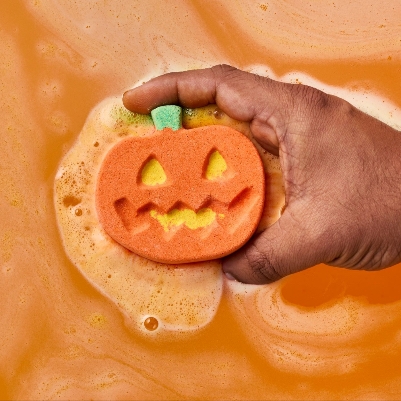
Calling all little (or big) monsters this half term to celebrate Halloween the LUSH way! Stores across the country, including LUSH Spa Cardiff are hosting fang-tastic experiences guaranteed to get everyone in the Halloween spirit. From creepy bath bomb-making workshops to 18+ fancy dress parties, there's something for everyone. For little ghouls and goblins, Halloween-exclusive product making workshops will be hosted in various LUSH stores, so everyone can get hands on making best-selling Monster Scare Bear and Pumpkin Punkin bath bombs. Become your own LUSH compounder, and enjoy an educational experience learning about the brand's fresh ingredients and handmade products.
READ ARTICLE
What to do now to get your finances ready for 2027
Aileen Robertson, Tesco Bank's Head of Savings, has shared ways soon-to-be-wedded couples and newlyweds can build healthy savings habits and step into 2027 feeling more confident about their shared futures! Aileen Robertson, Head of Savings at Tesco Bank, comments: "The start of a new year often feels like the perfect opportunity for a fresh start, with people embracing resolutions and looking to turn over a new leaf. But creating new habits can take time as people settle back into their routines, and sometimes those good intentions never quite get off the ground. "If you're trying to stay on top of your finances in 2027, taking small steps now can make that journey much easier. It's important to remember that it's never too late, or too early, to start working towards your goals. Setting them is the first step, whether they're big or small, so think about what you want your money to do for you. From here you can start to work towards your goals, building good savings habits along the way, and see your money grow over time."
READ ARTICLE
Yankee Candle® launches limited-edition The Traitors collection
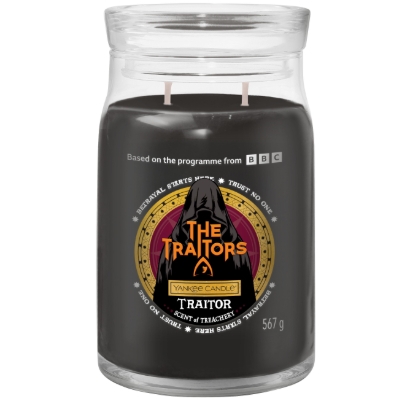
Fans of the BBC's hit reality show The Traitors can bring a little intrigue into their homes this autumn with a limited-edition candle collection from Yankee Candle. Inspired by the BAFTA-winning series, the new collection features two Signature Large Jar Candles: Faithful and Traitor. Each fragrance represents a different side of the game, inviting fans to choose their allegiance while settling in for the latest round of suspicion, secrets and unexpected reveals. Faithful is designed to evoke comfort and calm, blending cashmere vanilla and rose with a warm amber base. Its soft, powdery fragrance is ideal for cosy evenings spent analysing clues and debating who can be trusted.