7 unique wedding traditions from around the world 

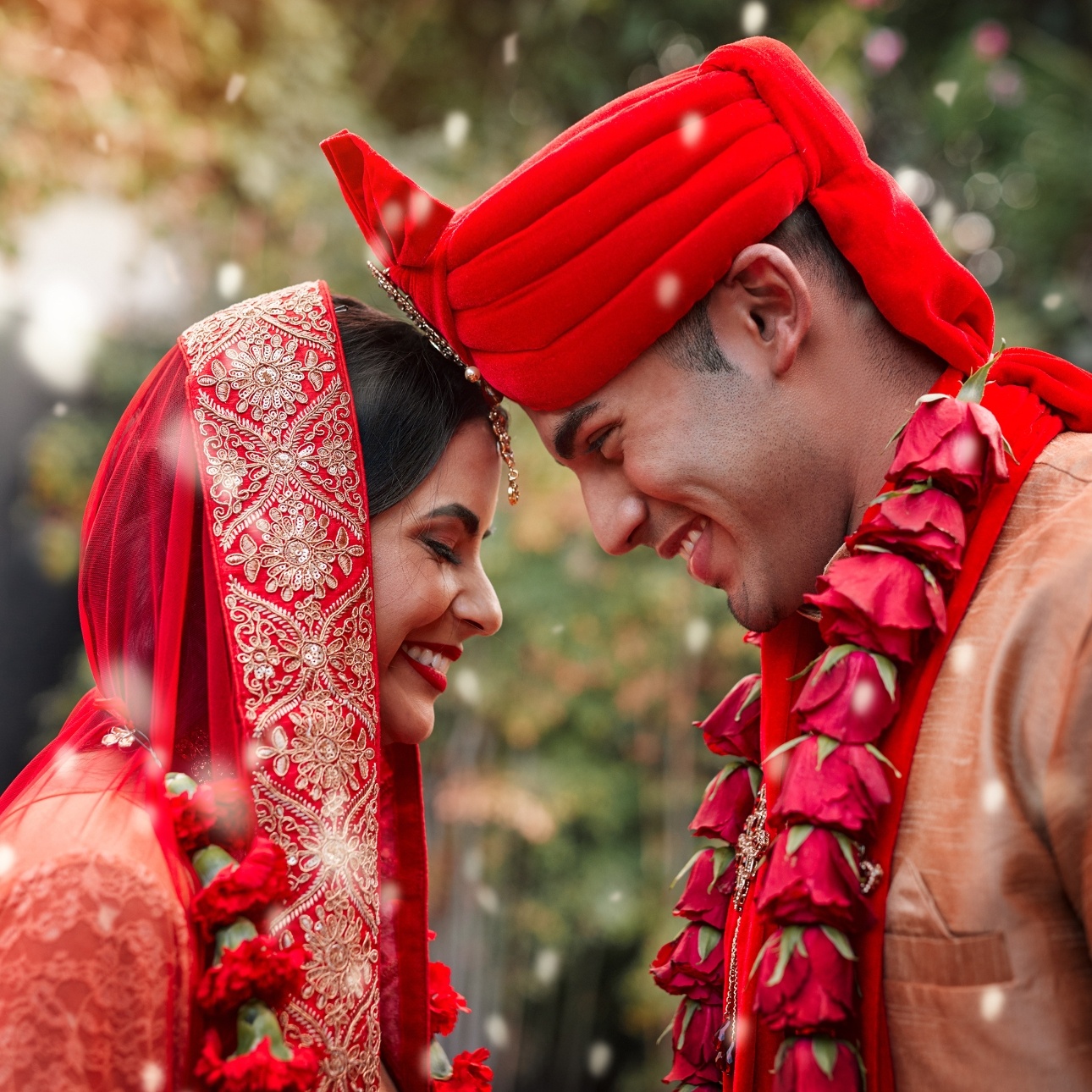
indian bride and groom on their wedding day in gold and red attire touching heads

Weddings come in all different shapes and sizes, and there are so many unique traditions that make them special in different countries. There are many customs you are likely already familiar with, such as proposing with a diamond engagement ring and throwing your bouquet on the big day. However, there are so many other interesting traditions from around the globe that you're sure to love. 

New research from engagement ring retailer, Angelic Diamonds, takes us on a trip around the world to find out more about wedding traditions and costs in every corner of the globe. Today, we're taking a closer look at some of our very favourite traditions. Despite their differences, there is one thing that all these traditions have in common. They are all in place to bring luck, happiness, and love to a union between the happy couple. 

Norway
One beautiful and symbolic tradition celebrated in Norwegian wedding ceremonies is the customary Norwegian bridal crown. During the ceremony, the bride will wear an ornate crown crafted in silver and gold (this is often an heirloom piece). These crowns are traditionally fitted with charms that dangle from the headpiece and make jingling sounds. According to superstition, the sound of the charms is meant to ward off evil spirits and bring luck to the newlyweds.

China
There are plenty of unique wedding traditions in China, from the customary tea ceremony to the ornate red and gold invitations. One particularly unusual custom, however, involves the shooting of bow and arrows. As the tradition goes, the groom will use headless arrows to shoot his bride three times. After that, he will collect the arrows and snap them during the ceremony, to ensure the couples' long-lasting love.

Greece
In Greece, it is traditional for brides to wear a delicate "Stefana crown" on their wedding day. This ornate crown symbolises an honour being bestowed on the bride by God and is an important part of the union in Greek orthodox wedding ceremonies. Another popular wedding tradition in Greece is the quite literal role of the "groomsman". Before the ceremony, the groom's best man has the responsibility of shaving the groom's face. This action is meant to signify trust and companionship. 

Germany
There are many things that make German weddings unique, from the ceremony itself to the fun and games leading up to the big day. One unusual German tradition occurs the evening before the happy couple ties the knot – it's known as Polter night (or Polterabend). During Polter night, the wedding guests smash up pieces of porcelain in order to bring luck to the bride and groom and scare away any evil spirits. 

Russia
One of the many wedding traditions celebrated in Russia involves the custom of "paying the ransom". This involves the groom going to the bride's home on the morning of their big day so that they can travel to the ceremony together. However, it isn't that simple! When the groom arrives, he has to get past a series of tests and questions set by the bride's friends before he can cross the threshold and be reunited with his other half.

India
There are so many wedding traditions that are celebrated across India. After all, Indian wedding celebrations usually last at least three days, and they're packed with unique traditions (with plenty of partying thrown in!) One important element of the celebrations is the Misri ceremony. In this custom, the couple exchange flower garlands, rings, and prayers to bring happiness to the union. During the Misri, the couple will also be presented with a basket of gifts and sweets including rock sugar. The sugar is meant to symbolise the sweetness of their future together.

Mexico
On our final stop on our trip around the world, we land in Mexico. One unique Mexican wedding tradition is "el Lazo" also known as the "wedding lasso". This custom involves the bride and groom being connected by a lasso crafted from rosary beads and flowers. Being united by the lasso represents their coming together as one and is a way of celebrating their everlasting love. Of course, these are only a few of the thousands of wonderful wedding traditions that are celebrated worldwide – each country has something unique to offer, full of beauty and symbolism.

You may also be interested in

New app launches to simplify one of marriage’s biggest admin headaches

New app launches to simplify one of marriage’s biggest admin headaches

Changing your name after marriage can mean updating details with countless organisations, from banks and subscriptions to official documents and employers. New app Name Change Navigator aims to make the process easier, guiding newlyweds through each step from one platform. Founded by Rebecca Dainton, Head of Product at Flutter UK & Ireland, the app was created to reduce the stress and mental load associated with name changes. It supports a range of naming journeys, including traditional surname changes, double-barrelling, blended surnames and other choices following marriage, civil partnership, divorce or personal identity changes. The launch comes as younger generations increasingly rethink traditional naming conventions, with technology offering a more streamlined approach to this often-overlooked part of newlywed life.

READ ARTICLE

Flawsome! reveals 81% of Brits say weddings don't need to be perfect to be memorable 

Flawsome! reveals 81% of Brits say weddings don't need to be perfect to be memorable 

Growing frustration with wedding perfection culture is reshaping how couples plan their big day, with sustainability, guest experience and authenticity becoming increasingly important, according to new research from Flawsome!. A national study of 2,000 UK adults found that 81% believe a wedding does not need to be perfect to be memorable, while 71% say social media has increased pressure on couples to create a "perfect" day. Sustainability is also becoming a key consideration, with 52% saying it is important when planning a wedding. Yet wedding waste remains widespread, with 41% of respondents having seen food and drink thrown away at weddings, while 32% recalled single-use decorations being discarded and more than a quarter had seen flowers go to waste.

READ ARTICLE

Something borrowed, something blue’ is out – but 1 in 4 Brits still value wedding cards

Something borrowed, something blue’ is out – but 1 in 4 Brits still value wedding cards

New research from Moonpig reveals the top wedding card writing confessions. A whopping 30% of Brits admit to defaulting to a safe "congratulations!" because they simply can't think of anything else to say. This is followed by recycling the same message for different couples (11%) and signing a card without knowing what your partner has written (8%). What's more, when stuck for words, one in 10 (8%) admit to turning to AI for inspiration - this rises to one in seven (14%) among 25–34-year-olds. Brits are not alone in facing this wedding card conundrum. More than half of Brits (55%) admit they have struggled with at least one aspect of wedding message writing. Nearly one in four find wedding cards (23%) or guest-book messages (24%) difficult, while one in five (20%) hit writer's block when preparing the all-important wedding speech.

READ ARTICLE

The YouGov Big Survey on Weddings

The YouGov Big Survey on Weddings

The journey that begins with "will you marry me" and ends with "I do" transforms a couple's lives in multiple ways, but it also involves a huge number of decisions, as planning a wedding is no mean feat. Every guest will have an opinion on what a wedding should be like: from what's classy and tacky, to which traditions should be followed and which can be discarded. To help prospective couples get a grip on what these potential guests hope to see in a wedding, YouGov's new Big Survey on Weddings examines all these key debates about what should and shouldn't feature on the big day, including looking at the decisions that brides and grooms would make themselves. The study is part a Big Surveys project: a series of in-depth surveys on British society. It was conducted between 7-9 August 2026, with a sample of 1,784 adults in the UK aged 18 and above.

READ ARTICLE

Follow Your South Wales Wedding Magazine on YouTube

VISIT SITE

Submit your wedding to be featured in Your South Wales Wedding Magazine

VISIT SITE

Follow Your South Wales Wedding Magazine on Instagram

VISIT SITE

Follow Your South Wales Wedding Magazine on Facebook

VISIT SITE